Uninterruptible Power Supply Systems: Ensuring Continuous Power for Critical Operations

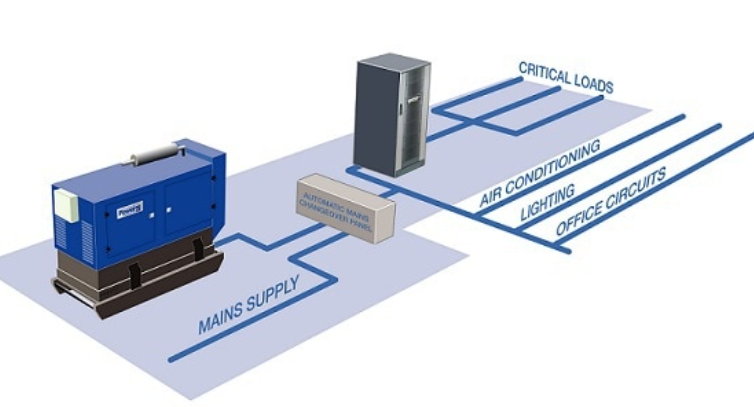
In today’s fast-paced digital world, uninterrupted power is crucial for both businesses and households. Power outages, voltage fluctuations, and electrical disturbances can lead to costly downtime, data loss, and equipment damage. This is where uninterruptible power supply systems (UPS) come into play. These systems ensure continuous power, protect sensitive electronics, and maintain operational efficiency during unexpected power interruptions.
What Are Uninterruptible Power Supply Systems?
An uninterruptible power supply systems is an electrical device that provides backup power to critical equipment when the main power source fails. Unlike generators, which take time to start, UPS systems supply instantaneous power from their internal batteries, ensuring zero disruption to connected devices. UPS systems are commonly used in data centers, hospitals, financial institutions, and industrial facilities, as well as in residential setups for sensitive electronics like computers and home networks.
Key Components of UPS Systems
A UPS system generally consists of three main components:
- Battery: The core of a UPS system, batteries store electrical energy and release it during a power outage. Modern UPS units often use sealed lead-acid or lithium-ion batteries for reliable performance.
- Inverter: Converts stored DC (direct current) from the battery into AC (alternating current) suitable for powering electronic devices.
- Rectifier/Charger: Converts incoming AC power from the main supply into DC to charge the battery continuously.
Some advanced UPS systems also include surge protectors, voltage regulators, and monitoring software for enhanced performance.
See also: How Residential Roofing Services Ensure Safety and Durability for Your Home
Types of UPS Systems
Understanding the different types of UPS systems is critical for selecting the right solution for your needs. The three main types are:
- Offline/Standby UPS: Provides basic protection against power outages and minor voltage fluctuations. It is cost-effective and ideal for home or small office use.
- Line-Interactive UPS: Features automatic voltage regulation to stabilize minor power fluctuations without using battery power. Suitable for small to medium-sized businesses.
- Online/Double-Conversion UPS: Offers the highest level of protection by continuously converting power through the inverter, eliminating all forms of power disturbances. Ideal for data centers, hospitals, and critical industrial applications.
Benefits of Using Uninterruptible Power Supply Systems
Investing in a UPS system offers numerous advantages:
- Continuous Power Supply: Prevents downtime and allows for safe shutdown of equipment during prolonged outages.
- Equipment Protection: Shields sensitive electronics from voltage spikes, surges, and brownouts.
- Data Security: Prevents data corruption or loss in servers, computers, and other IT equipment.
- Operational Efficiency: Ensures business continuity by maintaining workflow during power interruptions.
- Cost Savings: Reduces equipment damage and potential loss of productivity, offsetting the initial investment.
Factors to Consider When Choosing a UPS System
Selecting the right UPS system requires careful consideration of the following factors:
- Power Capacity: Measured in VA (Volt-Amperes) or kVA, the capacity should exceed the total load of the devices it will support.
- Battery Runtime: Determines how long the UPS can supply power during an outage. Longer runtime is preferable for critical applications.
- Type of UPS: Based on the level of protection needed and the sensitivity of the connected devices.
- Scalability: Ability to expand power capacity as your energy needs grow.
- Maintenance Requirements: Some UPS systems require regular battery replacements and servicing, while others are low-maintenance.
Maintenance Tips for UPS Systems
Regular maintenance ensures your UPS system operates efficiently:
- Test the battery periodically and replace aging batteries.
- Keep the UPS unit clean and dust-free.
- Monitor performance metrics through the UPS software interface.
- Avoid overloading the UPS beyond its rated capacity.
- Schedule professional inspections annually to detect potential issues early.
FAQs About Uninterruptible Power Supply Systems
Q1: How long can a UPS system provide backup power?
A UPS can provide power from a few minutes to several hours, depending on its battery capacity and the load connected.
Q2: Can a UPS protect against lightning strikes?
While UPS systems protect against surges and voltage spikes, for direct lightning strikes, additional surge protection is recommended.
Q3: Are UPS systems energy-efficient?
Modern UPS units are designed to be energy-efficient, with minimal power loss during normal operation.
Q4: Can I connect multiple devices to a single UPS?
Yes, but ensure the total power consumption of all devices does not exceed the UPS’s rated capacity.
Q5: How often should UPS batteries be replaced?
Typically, UPS batteries last between 3 to 5 years, depending on usage and environmental conditions.
Conclusion
Uninterruptible power supply systems are indispensable in today’s technology-driven world. They safeguard equipment, prevent data loss, and ensure uninterrupted operations in critical settings. Whether for home use, small businesses, or large industrial setups, investing in a reliable UPS system is a proactive step toward minimizing downtime and protecting valuable electronic assets. By understanding the types, benefits, and maintenance practices of UPS systems, you can make informed decisions that guarantee continuous and stable power for years to come.