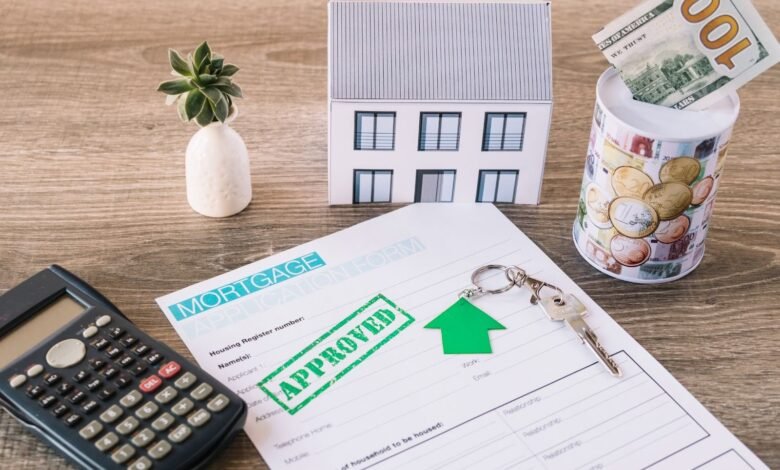
One of the greatest costs that homeowners and business owners incur is property taxes. Although these taxes are useful in financing your government services, they may cost more than you can afford. The good news is that property taxes can actually be reduced through legal, ethical means, and still no laws are broken. It can go a long way to understand your rights, review your property evaluation, and take advantage of available exemptions. When you do it right, you can reduce your taxes with no ill intent to break the law.
Understand How Property Taxes Are Calculated
Property taxes are most commonly calculated on the value of your property as determined by the local tax authorities and your property. Local government assesses the value of your property in the market and imposes a tax percentage. Understanding this process is the first step toward finding ways to lower property taxes. By reviewing how your property is evaluated, you can identify errors or outdated assessments that may be increasing your tax burden.
Review Your Property Assessment Carefully
An important means of lowering property taxes is to examine your assessment notice. Confirm whether the information on your property is right. Search for mistakes in the square footage or number of rooms, or the condition of the property. You may even owe more tax due to the slightest mistakes. In case of any wrong information, you may seek correction from the local tax office. Immediate savings may be attained by fixing mistakes.
Appeal an Overvalued Assessment
When you think you are being over-assessed, you can appeal. Not all homeowners are aware of this possibility. Provide the evidence, like recent sales of similar properties in your area. Similar properties of lesser value can be used to sustain your argument. Appealing within the deadline may lead to a smaller evaluation and lower taxes.
Claim Available Exemptions and Deductions
Several local governments provide exemptions in property taxes. These can be homeowners, seniors, veterans, or people with disabilities. There are also homestead exemptions available in certain areas for primary residences. Find out what exemptions exist in your area and use them in case you are entitled to them. These programs are capable of lowering your taxable property value by a great amount.
Keep Track of Property Changes
Improvements and renovations have the potential to raise property value and taxes. Non-distinct wear and tear or damage, however, can decrease value. In case your property has had problems such as building damage or old-fashioned features, then report to the assessor. Recalling records of repairs and the state of the property could aid in a re-evaluation. The honesty of reporting guarantees equitable taxation.
See also: How Tech Is Enabling More Accessible Healthcare
Monitor Neighborhood Property Values
The value of your property will directly influence your tax evaluation. When the houses around you are selling at a low price, perhaps you have overvalued the house. Following real estate trends in the region allows you to keep abreast. When filing an appeal, use the information to demonstrate that your property is overvalued compared to other similar homes.